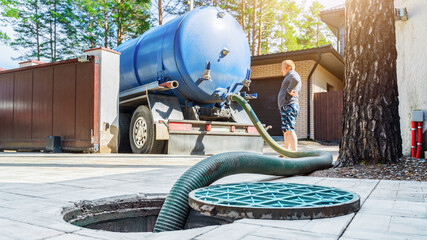
Septic tank cleaning offers important benefits for homeowners who depend on a private wastewater system. Over time, sludge, grease, and other solid waste collect inside the tank and reduce the amount of space available for wastewater treatment. If this buildup is not removed, the system may begin to drain slowly, produce unpleasant odors, or send untreated waste into the drain field.
Regular cleaning helps prevent these problems before they become expensive or disruptive. Understanding the main septic tank cleaning advantages can help homeowners protect their property and keep the system working efficiently. Contact The Septic Guys to learn more.
How Does Septic Tank Cleaning Improve System Performance?
One of the most important septic tank cleaning advantages is improved system performance. A septic tank needs enough space for solids to settle, grease to rise, and liquid waste to move toward the drain field. When sludge levels become too high, the tank cannot separate waste as effectively. This can place additional pressure on the entire system and increase the risk of blockages. Cleaning restores the tank’s working capacity and helps wastewater flow more efficiently.
A cleaner tank also supports the natural bacterial process that breaks down organic waste. Beneficial bacteria need a balanced environment to function properly inside the system. Excessive solids and harmful household chemicals can interfere with that balance. Removing accumulated waste helps the tank continue treating wastewater under normal conditions. Better performance means fewer disruptions and more dependable daily operation.
Can Septic Tank Cleaning Prevent Sewage Backups?
Preventing sewage backups is another major advantage of regular septic tank cleaning. As the tank fills with sludge, wastewater has less room to enter and move through the system. Eventually, drains may begin to empty slowly, toilets may gurgle, and wastewater may return through sinks or floor drains. A sewage backup can damage flooring, walls, furniture, and personal belongings. Regular cleaning greatly reduces the likelihood of this unpleasant situation.
Backups can also create serious sanitation concerns inside the home. Wastewater may contain harmful bacteria and other contaminants that require professional cleanup. The cost of restoring damaged rooms can be much higher than the cost of routine septic maintenance. Cleaning the tank before it reaches capacity helps keep sewage where it belongs. Preventive service protects both the home and the people living in it.
How Does Cleaning Protect the Drain Field?
Protecting the drain field is one of the most valuable long-term septic tank cleaning advantages. The drain field receives partially treated wastewater from the septic tank and allows it to filter through the surrounding soil. If sludge or floating solids leave the tank, they may clog the pipes and soil in the drain field. Once this area becomes saturated or blocked, the system may no longer process wastewater properly. Regular cleaning keeps excessive solids from reaching this sensitive part of the system.
Drain field repairs can be complicated and expensive because they often involve excavation and soil replacement. In some cases, a damaged drain field may need to be completely relocated or rebuilt. Routine septic cleaning helps reduce that risk by maintaining proper separation inside the tank. This simple maintenance step protects one of the most costly septic system components. Preserving the drain field can extend the usable life of the entire system.
Does Septic Tank Cleaning Reduce Unpleasant Odors?
A properly maintained septic system should not produce strong odors around the home or yard. When a tank becomes overly full, gases may escape through drains, access lids, or the soil near the system. These odors can make outdoor spaces uncomfortable and may indicate that the tank requires immediate attention. Cleaning removes built-up waste and helps restore normal ventilation and wastewater movement. This can significantly reduce persistent sewage smells.
Odors may also develop when wastewater begins surfacing near the drain field. Wet areas, unusually green grass, and foul smells may suggest that the system is no longer processing waste effectively. These warning signs should not be ignored because they may lead to more serious contamination. Regular cleaning helps prevent the conditions that allow odors to develop. A well-maintained system supports a cleaner and more pleasant property.
Can Routine Cleaning Extend Septic System Lifespan?
Regular cleaning can extend the lifespan of a septic tank and its connected components. Excessive waste buildup increases pressure on pipes, baffles, filters, and the drain field. Over time, this additional strain may cause premature wear or structural damage. Removing sludge before it reaches dangerous levels allows the system to operate under more stable conditions. Consistent maintenance helps preserve the equipment for many years.
A longer system lifespan also means homeowners can delay costly replacement projects. Septic systems represent a significant property investment, and replacing a tank or drain field can require extensive excavation. Routine cleaning is a relatively simple way to protect that investment. It also gives technicians an opportunity to inspect the tank for cracks, damaged baffles, or other developing concerns. Early detection can prevent small issues from becoming major failures.
How Does Septic Tank Cleaning Save Money?
Saving money is one of the most practical septic tank cleaning advantages. Routine cleaning has a predictable cost, while emergency repairs can be expensive and difficult to plan for. Neglected tanks may cause blocked pipes, sewage backups, damaged pumps, or failed drain fields. Each of these problems can involve substantial repair and restoration expenses. Preventive maintenance helps homeowners avoid many of these unexpected costs.
Regular service also makes it easier to budget for septic care. Homeowners can schedule cleaning in advance instead of paying higher rates for urgent or after-hours service. A well-maintained system is also less likely to require frequent plumbing repairs. Over time, the savings from avoided emergencies can easily outweigh the cost of routine cleaning. Preventive care provides both financial protection and peace of mind.
Does Septic Cleaning Help Protect Health and the Environment?
Septic tank cleaning plays an important role in protecting household health. When a system fails, untreated wastewater may enter the home, yard, or nearby groundwater. This waste can contain bacteria, viruses, and other contaminants that create health risks for people and pets. Regular cleaning helps keep wastewater contained and properly treated. A functioning system supports a safer living environment.
Environmental protection is another important benefit. A neglected septic tank may release excess nutrients and harmful organisms into nearby soil, streams, wells, or drainage areas. This can affect water quality and surrounding ecosystems. Removing accumulated waste reduces the risk of leaks, overflows, and drain field failure. Responsible septic maintenance helps protect both private property and the wider environment.
How Does Septic Tank Cleaning Support Property Value?
A well-maintained septic system can support the value and marketability of a property. Buyers often ask about septic maintenance records because they want confidence that the system is in good condition. Regular cleaning demonstrates responsible ownership and reduces concerns about hidden wastewater problems. A neglected system may lead to costly inspection findings or delayed property transactions. Consistent maintenance creates a stronger impression during the selling process.
Cleaning also helps preserve the appearance and usability of the yard. Sewage odors, wet soil, and damaged landscaping can reduce curb appeal and make buyers question the condition of the property. Preventing these issues helps keep outdoor areas attractive and functional. A reliable septic system contributes to the overall comfort and condition of the home. Routine maintenance protects both current enjoyment and future resale potential.
How Often Should Septic Tank Cleaning Be Scheduled?
The ideal cleaning schedule depends on tank size, household size, water use, and waste habits. Many residential systems require service every three to five years, but some tanks may need cleaning more frequently. Larger households and smaller tanks usually accumulate waste more quickly. Garbage disposal use can also increase the amount of solid material entering the system. Regular inspections help determine the right schedule for each property.
Homeowners should not wait for obvious signs of failure before arranging service. Slow drains, gurgling toilets, sewage odors, and soggy areas near the tank may indicate that maintenance has already been delayed. Scheduling cleaning in advance is safer and more affordable than responding to an emergency. Keeping accurate service records also makes future planning easier. A consistent schedule helps maintain reliable system performance.
Final Thoughts
The main septic tank cleaning advantages include improved performance, fewer sewage backups, drain field protection, odor prevention, lower repair costs, and a longer system lifespan. Regular cleaning also protects health, reduces environmental risks, and supports property value. Although the septic system operates out of sight, it should never be overlooked. Preventive maintenance keeps wastewater moving safely and helps homeowners avoid expensive emergencies. A routine cleaning schedule is one of the simplest and most effective ways to protect the entire septic system.